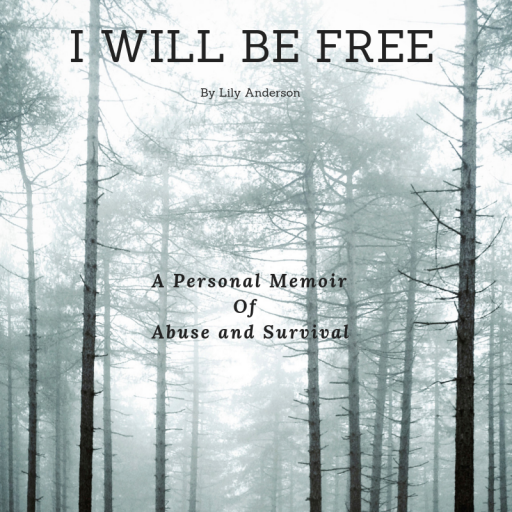

Everyone has some type of trauma in their life at one point or another. Learning to deal with that trauma is what gets you through to the next day, the next month, and to the point of no longer feeling the pain of that trauma.
Everyone’s trauma is “their” trauma, and healing from it is “their” way of healing. It may not be yours, or the way you would do it, but it’s “their” way, and therefore the best way for them.
- Acute trauma: This results from a single stressful or dangerous event.
- Chronic trauma: This results from repeated and prolonged exposure to highly stressful events. Examples include cases of child abuse, bullying, or domestic violence.
- Complex trauma: This results from exposure to multiple traumatic events.
Trauma is an emotional response to a terrible event like an accident, rape, abuse or natural disaster. Immediately after the event, shock and denial are typical. Longer term reactions include unpredictable emotions, flashbacks, strained relationships and even physical symptoms like headaches or nausea. While these feelings are normal, some people have difficulty moving on with their lives.
Trauma can have lasting effects on your mental, physical, and emotional health. Experiencing abuse or other trauma puts people at risk of developing mental health conditions, such as: Anxiety disorders, PTSD, Eating disorders, to name a few.
There are four responses to trauma dealing with sexual and domestic abuse: fight, flight, freeze, and appease. Fight and flight is when you want to fight back and flee the abuser. Freeze and appease is when you find yourself just taking the abuse, you aren’t able to move or fight back, and then you start trying to appease the abuser by being accommodating and deflecting his or her anger away from you. I myself went through all of these responses during my abusive relationship.
Don’t ignore the feelings you are having, allowing yourself to feel your feelings is one step closer to being able to heal. Write down your feelings and talk to someone about them. Accept them as real and you can start to move forward.
Start writing down your strengths and abilities. What can you do to survive without your abuser? Earning an income, finding somewhere to live. Gather all phone numbers of friends, family, shelters and churches that can help. Have some bags packed and ready to go, have some personal cash set aside or set up a personal bank account to have your own money put into. Gather all medical records, birth certificates, social security cards, property information. If you are on a joint bank account, have a statement with all information and balances. Know your abusers schedule, clear all computer browser history, delete e-mails.
Once you are ready, make it happen and leave. Don’t leave behind any way for him to locate you till you are ready to be found. If you have children and are leaving, make sure you are going somewhere safe. Get an order of protection from a judge immediately. Make sure you have a notebook to take down all information from the time the abuse started to the time you go to court. Proof is very important.
Getting back to a regular routine is important, but take it slowly. Make changes that help you feel more safe and secure, add stress reducing things into your life like coloring, painting, reading, visit friends and reconnect. Soon you will start feeling better, healthier, and better able to move ahead to a bright future.


Leave a Reply